2.0T + 9DCT, is the power technology of the Haval H6L up to par?
The Haval H6L is not simply a model with an extended wheelbase based on the Haval H6. Instead, it is built on the Haval Baojia MAX platform. The Haval Baojia MAX is equipped with a plug-in hybrid power system, while the Haval H6L is powered by a pure fuel engine. Both models share the same body structure and various configurations. In simple terms, the Haval H6L is the pure fuel version of the Haval Baojia MAX.
The suggested retail price range of the Haval H6L is 117,900 to 141,900 yuan, and after discounts, the price range is 103,900 to 127,900 yuan. It offers two power options: 1.5T + 7DCT and 2.0T + 9DCT. The 1.5T power is the same as that of the Haval H6, while the 2.0T + 9DCT power system has many technical highlights and is exactly the model we tested this time.
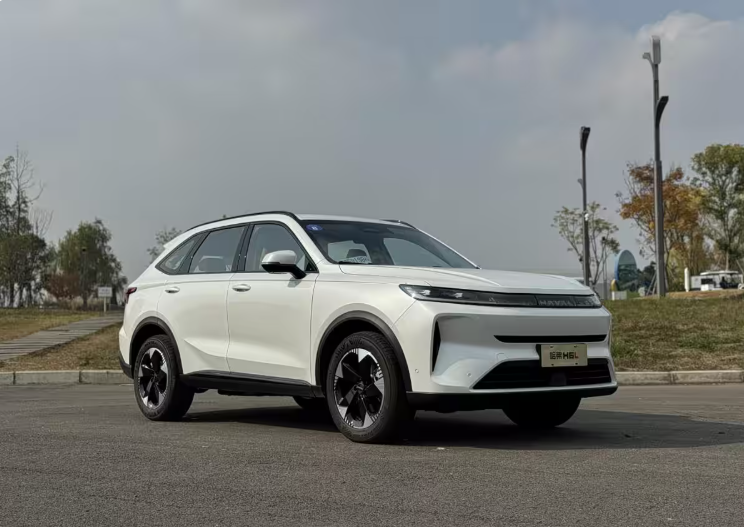
This 2.0T engine can output a maximum power of 238 horsepower and a maximum torque of 385 N·m. The maximum torque output range starts from 1700 rpm and lasts until 4000 rpm. The 9DCT transmission that matches this engine is quite special. Most models in the same class use 7DCT. This 9DCT has two more gears, providing a wider gear ratio range, allowing the engine to operate in the most efficient range for a longer time and thus achieving better fuel economy.
Our test drive started from the urban area of Chengdu, covering urban roads, highways, and mountain roads in Longquanshan. The entire journey was 93.4 kilometers, and the displayed fuel consumption was 6.5 liters per 100 kilometers. Under the WLTC cycle, its fuel consumption is 7.4 liters per 100 kilometers. The reason why our measured data is so low is not because of reverse false labeling, but because our driving style throughout the journey was gentle, and the vehicle speed was kept within the low fuel consumption range as much as possible. Of course, this also proves the fuel economy control capability of this power system, and the official fuel consumption of 7.4 liters per 100 kilometers is reliable.
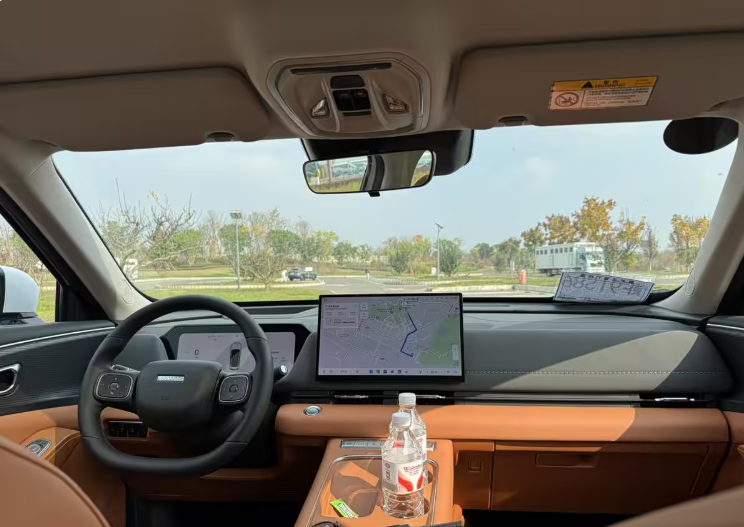
The performance of the power system was quite surprising. The official 0-100 km/h acceleration time is 7.2 seconds. During the actual test, using the sport mode, the power response was very quick, similar to the acceleration feeling of an electric vehicle. Although the 9DCT has more gears, the gear shifting action is still smooth. Therefore, during acceleration, the transmission action is almost imperceptible, and because of the more gears, the power connection is more compact, giving the impression of continuous power output.
Besides the Ultra model we tested, there is also a Max model with slightly lower configuration, priced at 133,900 yuan with a discounted price of 119,900 yuan. If you don't have such high requirements for configuration and just want stronger power, the Max model is a better choice.
In terms of the chassis, the Haval H6L adopts a front MacPherson and rear multi-link independent suspension structure, which is quite common in this class. The manufacturer's chassis tuning style is moderate, well balancing comfort and sportiness, which aligns with the Chinese market's perception of family SUVs. In terms of steering, it uses electronic power steering with a certain quality in the damping setting, providing a good feel when turning. The braking system has no dead zone, and the braking force release is linear, making it easy to control.
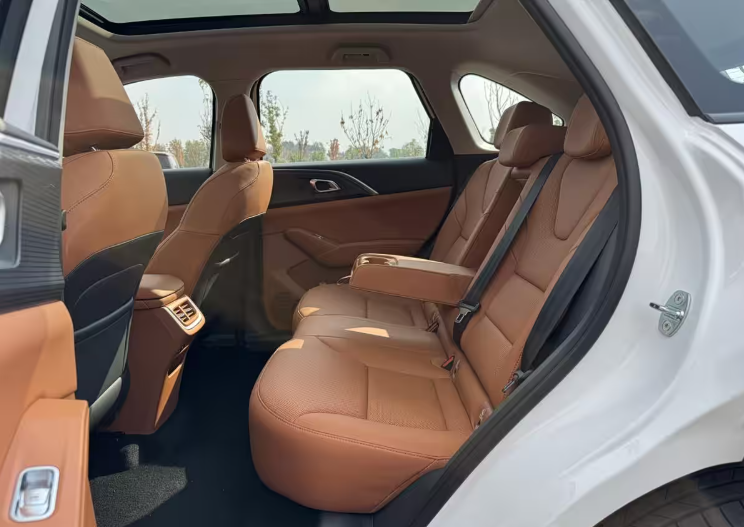
In addition, the Haval H6L performs well in other aspects. In terms of dimensions, its length, width, and height are 4800x1895x1730mm, and the wheelbase is 2810mm, which is 72mm longer than that of the Haval H6. Despite its larger size, the Haval H6L still adopts a 5-seat layout with a 2+3 structure, so its second-row space is relatively spacious and it also has a large trunk space, making it suitable for families with more members. In terms of configuration, the model we test-drove offers heated and ventilated front seats, as well as heated second-row seats. In terms of intelligent features, all models are equipped with a 14.6-inch infotainment screen and a 4G connected vehicle system. Regarding intelligent driving assistance, all models except the base version offer L2-level assistance, and the model we test-drove also supports automatic parking. After this test drive, we can confirm that the Haval H6L is a fuel vehicle with decent technology, especially its 2.0T version, which not only has abundant power but also performs well in fuel consumption control. In today's era of increasing penetration of new energy vehicles, a fuel vehicle with new technology is quite rare. It may not be the choice of the majority, but it provides an option for those who still need a fuel vehicle. The above is just my personal opinion. If you are also interested in this car, I suggest you definitely go for a test drive and do it several times to see if it truly meets your needs.


