Xiaomi YU7 vs. R7: Highly Overlapping Prices, Significant Differences in Range, Chassis, and Seats
By Wuliru
July 4th, 2025
210 views
Xiaomi YU7 vs. ZhiJie R7: Highly Overlapping Prices, Significant Differences in Range, Chassis, and SeatsThe launch of the Xiaomi YU7 has garnered hundreds of thousands of orders, making it the center of attention and even overshadowing the HarmonyOS Smart Travel experience for a while. With a high degree of price overlap between the Xiaomi YU7 and the ZhiJie R7, there is a certain level of competition between the two models. Let's compare these two vehicles to see which one has the upper hand.
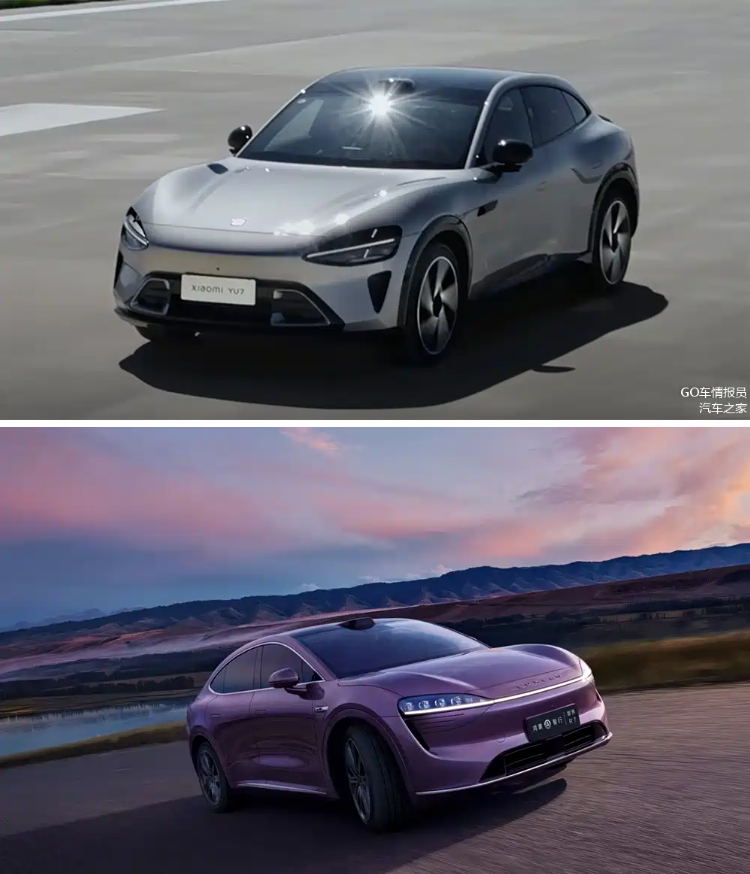
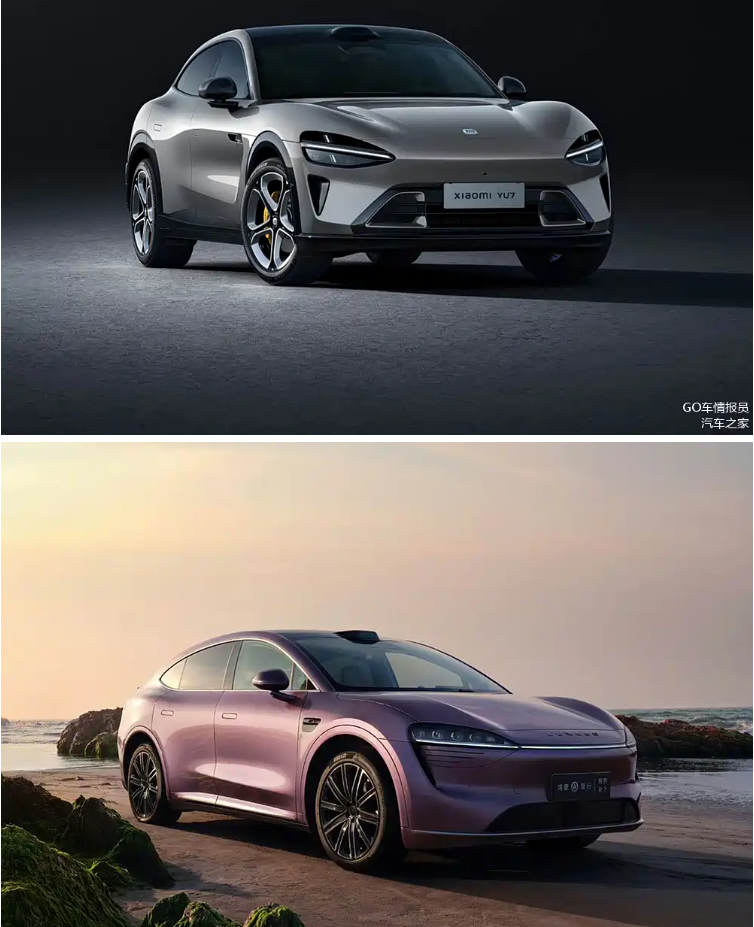
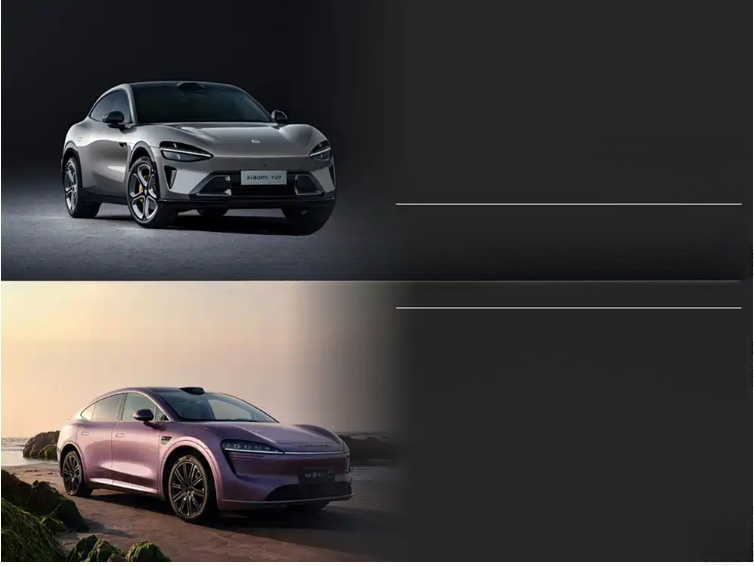 Exterior Comparison: Distinct Styles, One Extremely Sporty, the Other More ReservedAlthough the ZhiJie R7 has a more pronounced fastback design, overall, the Xiaomi YU7 appears more youthful and dynamic. The ZhiJie R7's front and rear styling is more subdued, lacking sharp lines. Online comparisons have noted that the Xiaomi YU7 resembles the Ferrari Purosangue, and indeed, there is a certain resemblance, with the YU7 focusing on extreme sportiness. In contrast, the ZhiJie R7 feels closer to the Tesla Model X, presenting itself as a family-friendly SUV with a fastback design.
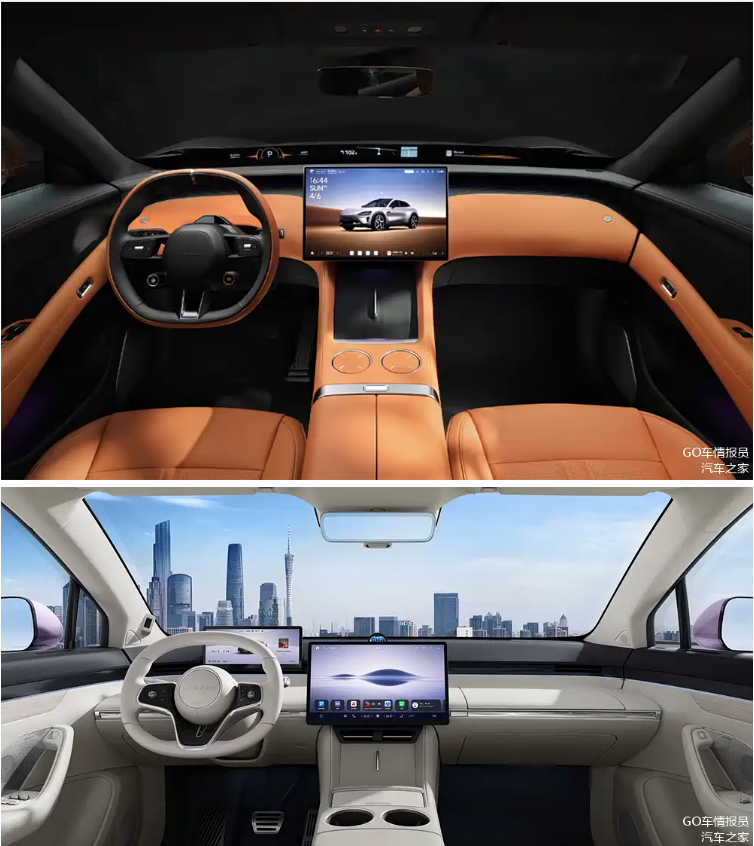
 Cockpit Comparison: Similarities with a Twist, Horizon Screen Adds FreshnessIn terms of dashboard design, the two vehicles are quite similar, both featuring wrap-around elements that create a sense of horizontal spaciousness. Both come equipped with large infotainment screens, vehicle connectivity, wireless charging for the front row, and other features that are now standard for new energy vehicles. As for the operating systems, I would say that the PongOS and HarmonyOS are evenly matched. Regarding the instrument cluster, the Xiaomi YU7 features a horizon screen that projects information against a black background, while the ZhiJie R7 has a traditional full-LED instrument panel.
 Driving Assistance: Hardware vs. SoftwareAs an entry-level model, the Xiaomi YU7 is equipped with a lidar system, which the ZhiJie R7 lacks. However, hardware is just one aspect; the algorithms are equally important. Currently, Huawei's ADS (Autonomous Driving Solution) seems to have a stronger overall performance compared to Xiaomi's. Whether Xiaomi can catch up in the future remains to be seen.
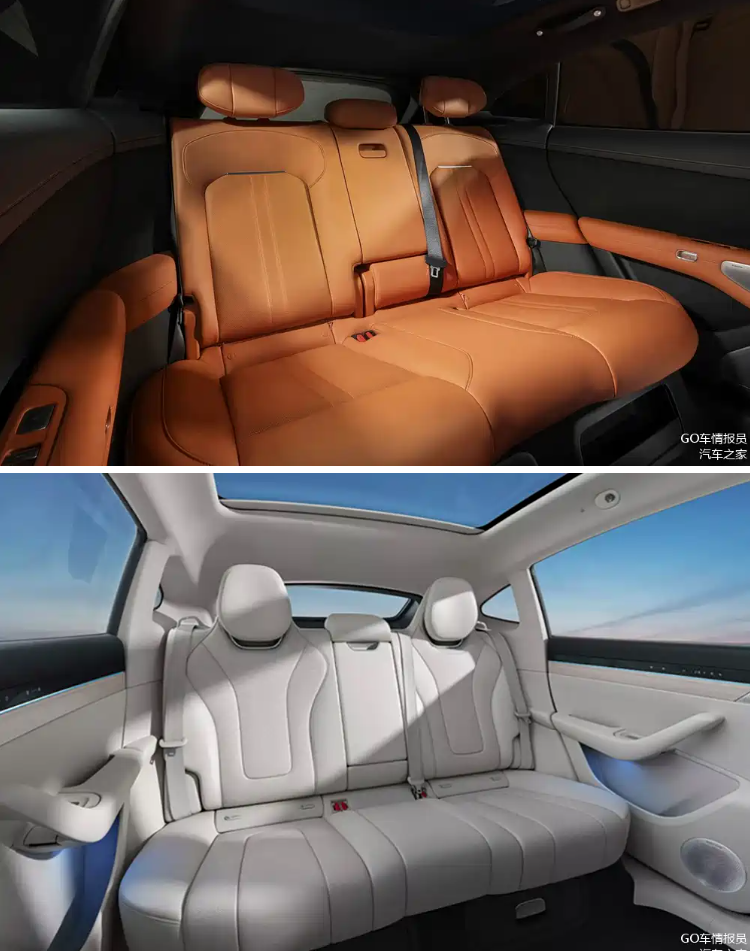
 Seating Comparison: Zero-Gravity Seats Up Front, Richer Rear Features on ZhiJie R7The Xiaomi YU7 currently offers zero-gravity seats for both the driver and front passenger as a standard feature, including legrests and massage functions. The ZhiJie R7 also offers zero-gravity seats for the front row. Moreover, with a current cash subsidy of 20,000 yuan on the ZhiJie R7, even if you opt for heated, ventilated, and massaging rear seats, the final price is not higher than that of the Xiaomi YU7. In contrast, the Xiaomi YU7's rear seats only offer heating and are not customizable. Overall, the front-row features of both cars are quite similar, but when it comes to rear-seat experience, the ZhiJie R7 is undoubtedly more comprehensive.
 Power and Range Comparison: Longer Range for YU7, Higher Chassis Specification for R7Both vehicles feature a single-motor rear-wheel-drive layout. In terms of performance parameters, the Xiaomi YU7 has a maximum power output of 235kW and a maximum torque of 528N·m. The ZhiJie R7 only discloses its maximum power, which is 215kW. The difference between the two is not significant. In terms of zero-to-hundred acceleration, the Xiaomi YU7 achieves it in 5.88 seconds, while the ZhiJie R7 does it in 5.9 seconds, which is also very close. Considering that the Xiaomi YU7 is over 150kg heavier than the ZhiJie R7, it is likely that the ZhiJie R7 has a slightly higher torque.In terms of range, the Xiaomi YU7 has a battery capacity of 96.3kWh, with a CLTC range of 835km. The ZhiJie R7 has a battery capacity of 82kWh and a CLTC range of 667km. The difference is quite noticeable. The Xiaomi YU7's range of over 800km is quite outstanding in its class, while the ZhiJie R7 offers a more conventional performance.Regarding the chassis, the ZhiJie R7 gains an advantage by being equipped with air suspension, which allows for adjustable stiffness and height. The Xiaomi YU7, on the other hand, does not have air suspension and only features a CDC (Continuous Damping Control) adjustable damping suspension, which can adjust stiffness but not height. In terms of comfort, air suspension still has the edge.SummaryIn conclusion, if you are looking for a longer range, a more sporty design, and are enthusiastic about the Xiaomi ecosystem, while also being able to accept the uncertainty of delivery timelines, the Xiaomi YU7 is a great fit for you. If you value mature intelligent driving capabilities and a comfortable experience, especially in family-oriented scenarios, the ZhiJie R7 is also an excellent choice, especially with its 20,000 yuan cash subsidy.
Previous
My Wuling Auto Miniev Electric Car Maintenance Diary
Read More
Next
The new model of Changan UNI-K has been officially launched.
Read More


